Eighty years ago today the ground invasion of Europe began on the beaches of France, beginning a series of intense battles that would eventually lead to Germany’s surrender in May 1945. While this event was a clear turning point in the war, Americans still faced another year of war in Europe and Asia, as well as rationing, blackout drills and shortages at home.
Local residents certainly were glued to their radios listening to news updates on this day in 1944, but some were just as concerned by an incident that happened in Needham near the intersection of Grove and Charles River Streets. At about 4:00 pm on that day, those living in this mostly rural section near the Wellesley/Dover border heard the sound of several aircraft flying overhead. Since the start of the war, residents of suburban Boston had become used to the sights and sounds of aircraft, many piloted by Navy trainees flying out of the Naval Air Station in Squantum, Quincy. The planes heard on June 6 were two Grumman Avenger torpedo bombers, and one of them was clearly in trouble.
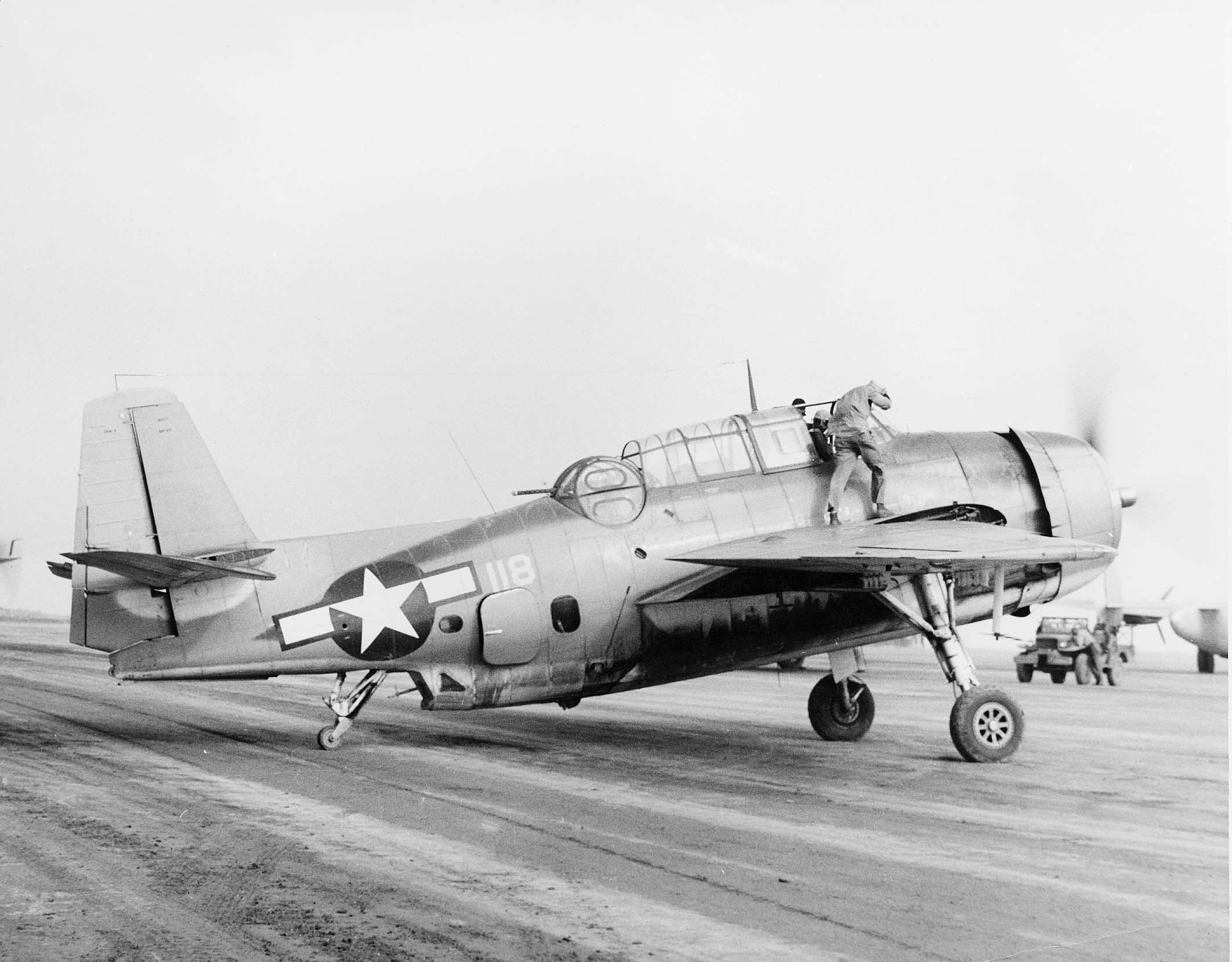
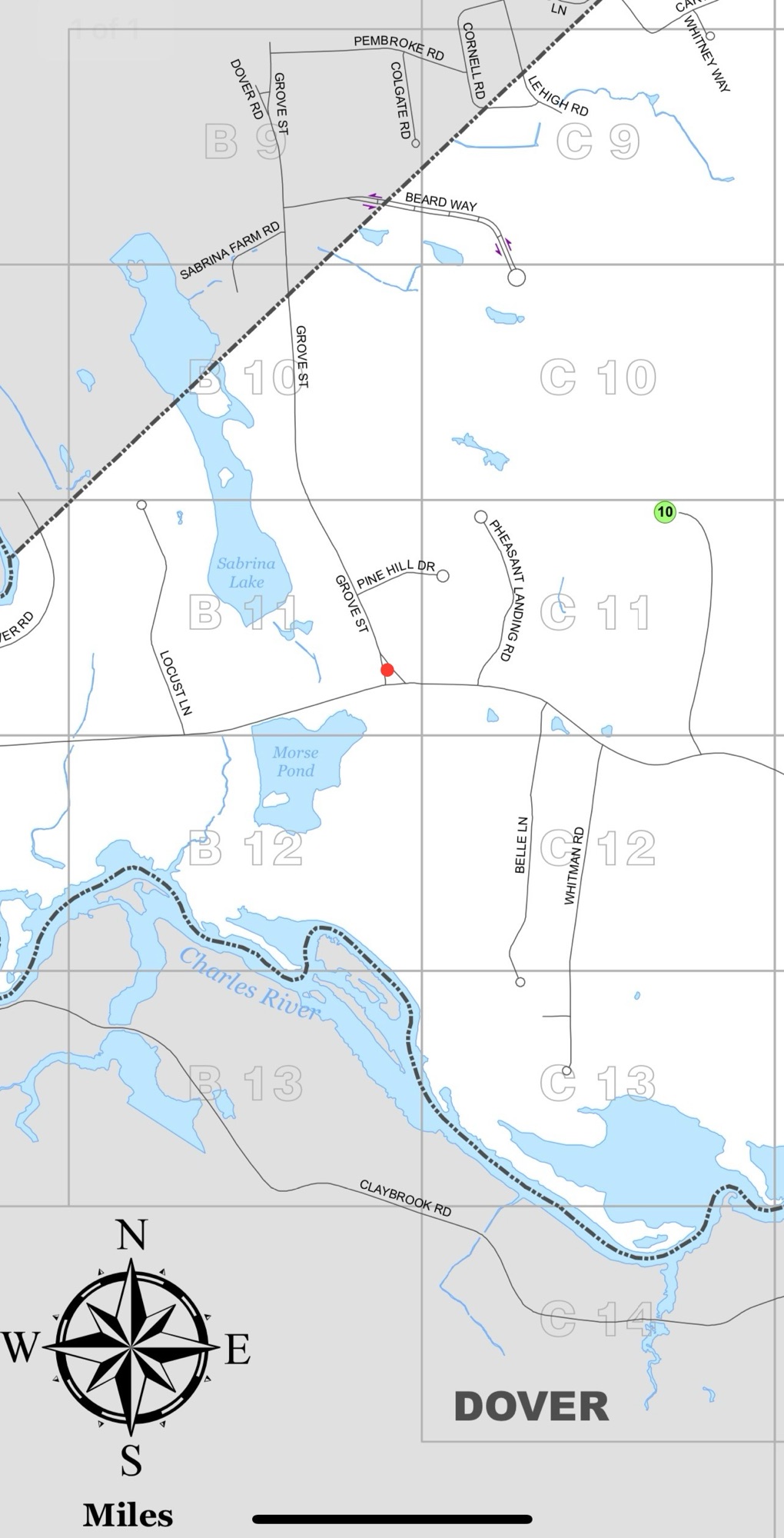
The ailing plane sputtered and smoked as it lost altitude and crashed in a fiery explosion into a wooded area. It took firefighters from Wellesley and Needham over half an hour to douse the flames. After the fire was extinguished, the bodies of two flyers were found in the woods a short distance from the wreck. Local papers ran stories on the crash the next day, and while details were few, it was reported that the flyers were members of the Royal Air Force who had been training in Quincy.
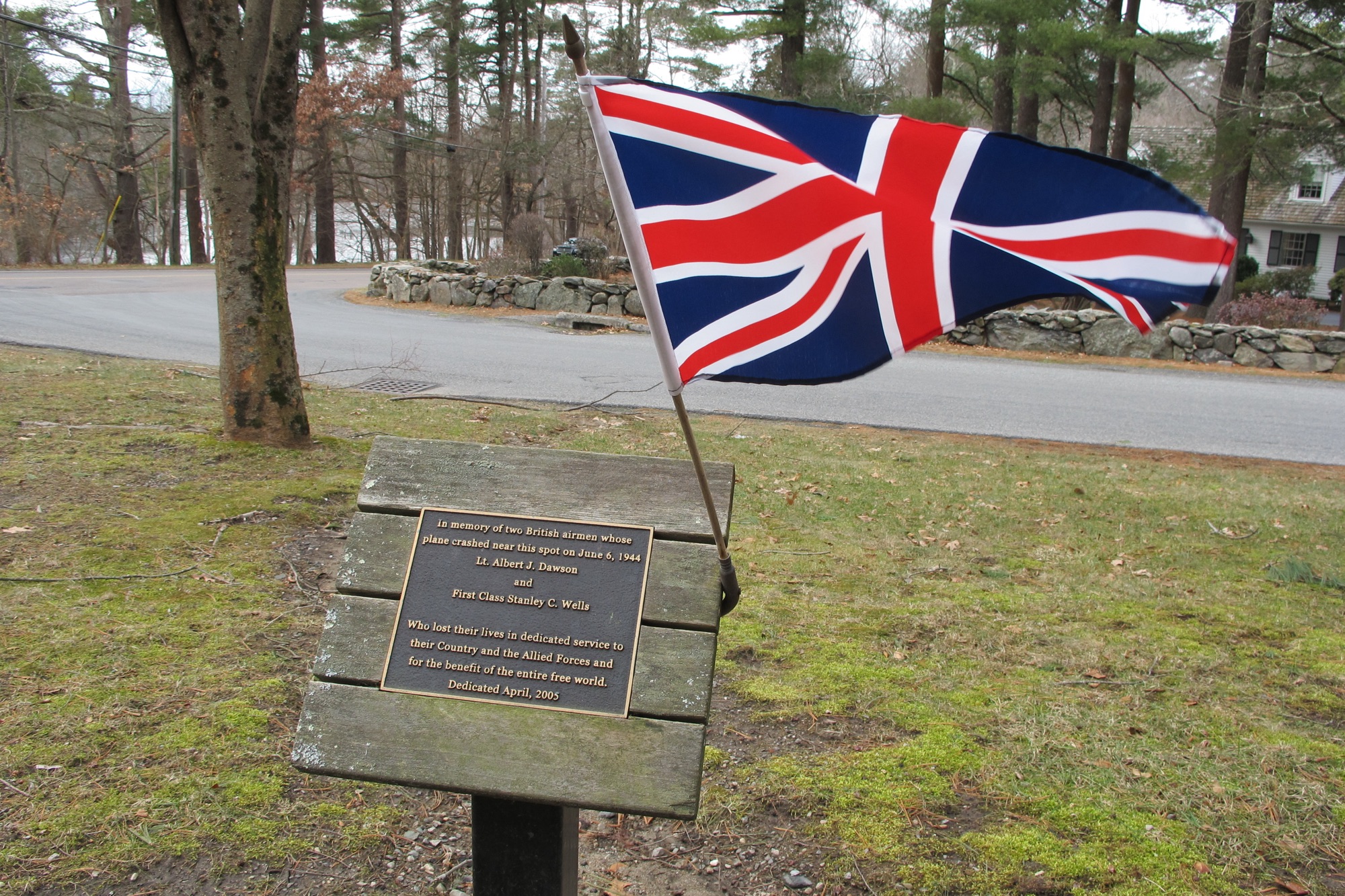
One of the witnesses to the crash was a young Wellesley boy named Bob Haigis. Years later, while touring England, Haigis and his wife visited a memorial to a US bomber crew which had crashed while returning from a mission in 1944. Haigis recalled the crash he had witnessed as a youth, and upon returning home began investigating the incident. Haigis then teamed up with the Needham Historical Society’s Henry Hicks and town Veteran’s Agent John Logan to not only identify the two flyers, but to also create a memorial near the crash site. On April 12, 2005 local dignitaries as well as representatives from Needham, England gathered to dedicate a small plaque to honor the service and sacrifice of Lt. Albert J. Dawson and First Class Stanley C. Wells. A small British Union Jack was affixed to the plaque, and flies there to this day, 80 years after the crash.
Among the other witnesses that day was 9-year old H.D.S. Greenway who lived on Charles River St. in Needham. Greenway grew up to become an award winning war correspondent for Time magazine, the Washington Post and the Boston Globe. In a 2005 article for the Globe, Greenway describes the horrible scene he witnessed as a boy, with particular emphasis on the heroic actions of the airmen, as they frantically waved Greenway and his brother away from the inevitable explosion and fire.
During the war years, over 100 service members were killed in aviation crashes while training or flying in the skies over Massachusetts. On this significant date, while the world is honoring the thousands who died on the beaches of Normandy, it is fitting to remember these heroes who also died in the service of their country.


 Jim Parr
 Dedham Tales