Author Archive

Where in Dedham?

June 2, 2024

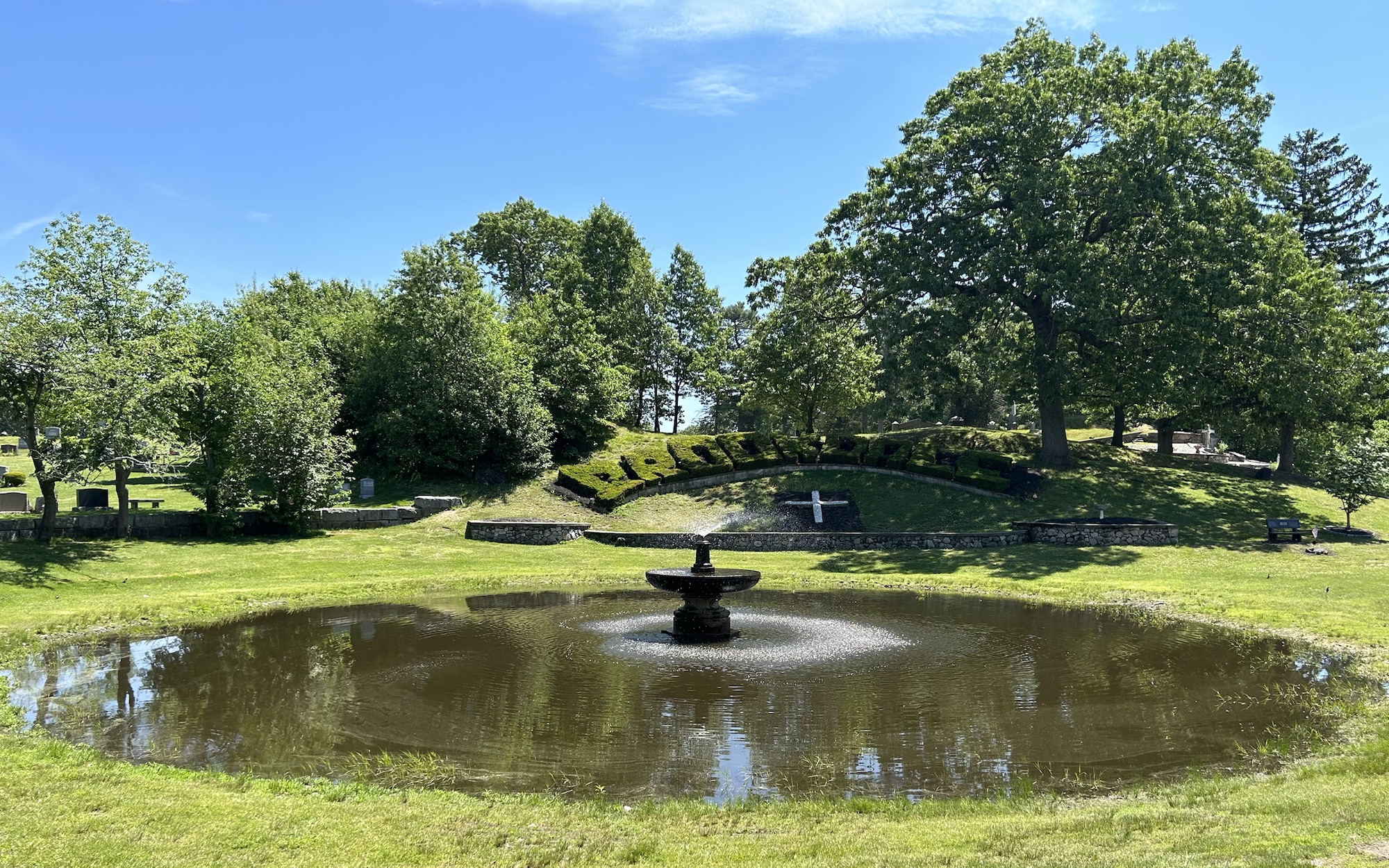
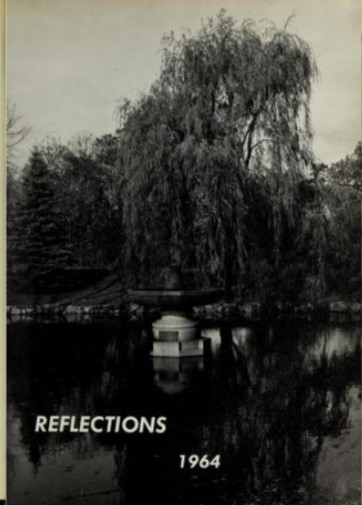
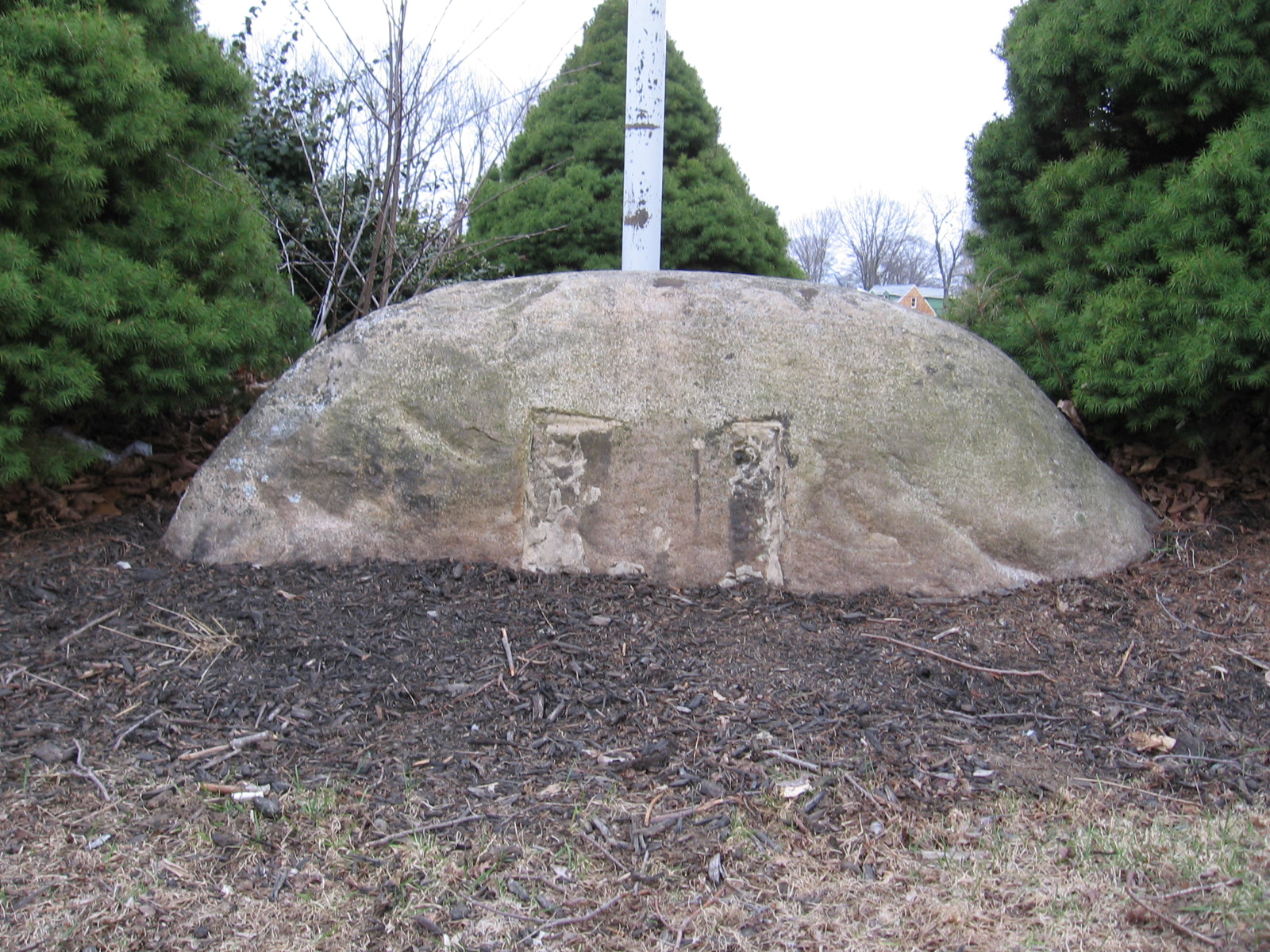
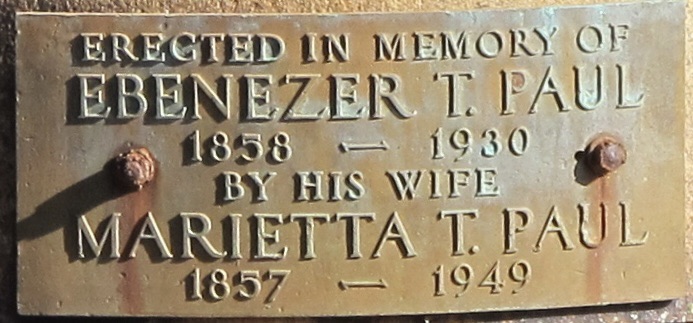
I have written about the Paul family in several previous posts, check them out if you haven’t already read them. The plaque and the object it was affixed to were a gift from Marietta Paul as stipulated in her will. Do you know where and what it is?

Book Talk Tomorrow!

May 17, 2024

Sign up now for the 2:00 talk at the Dedham Public Library! Learn all about the home front during the war- signed copies of my book available.

/https://events.dedhamlibrary.com/event/10489579

World War II Massachusetts Book Talk at the Dedham Public Library

May 11, 2024

I will be doing a talk on my newest book World War II Massachusetts at the Dedham Public Library on Saturday, May 18 at 2:00. If you enjoy the stories I’ve featured in my Dedham book and on this blog, you don’t want to miss this presentation, where I reveal some of the hidden history and amazing tales from this unique time in our country’s history. Copies of my book will be available to purchase. I hope to see you there!

Admission is free but please register by using the link below.

https://events.dedhamlibrary.com/event/10489579

Update to my Post post

May 7, 2024

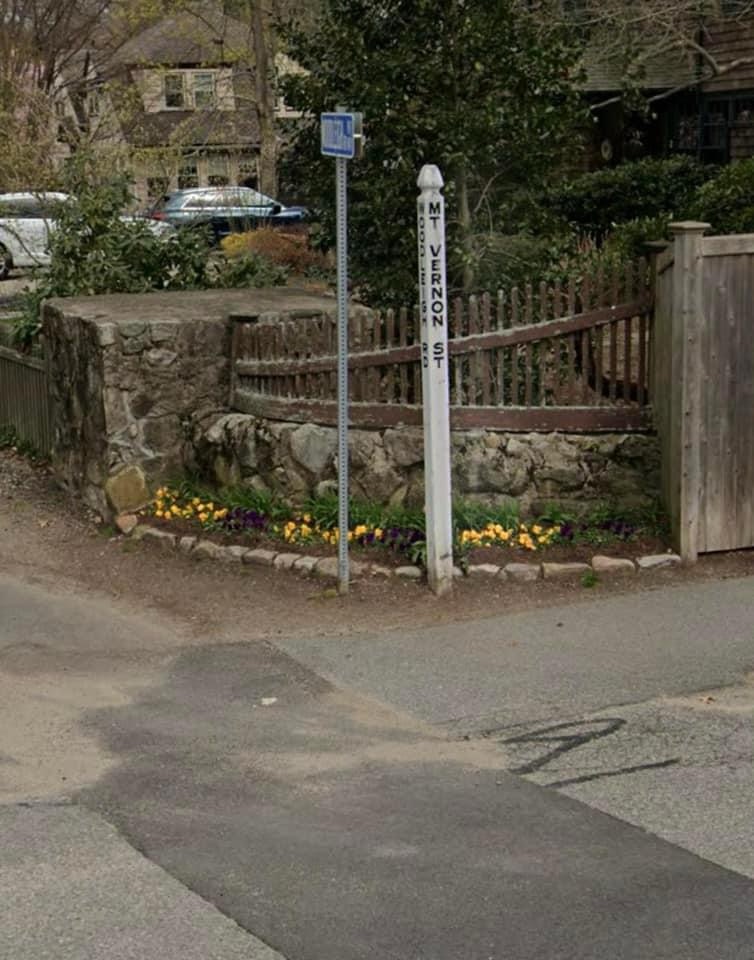
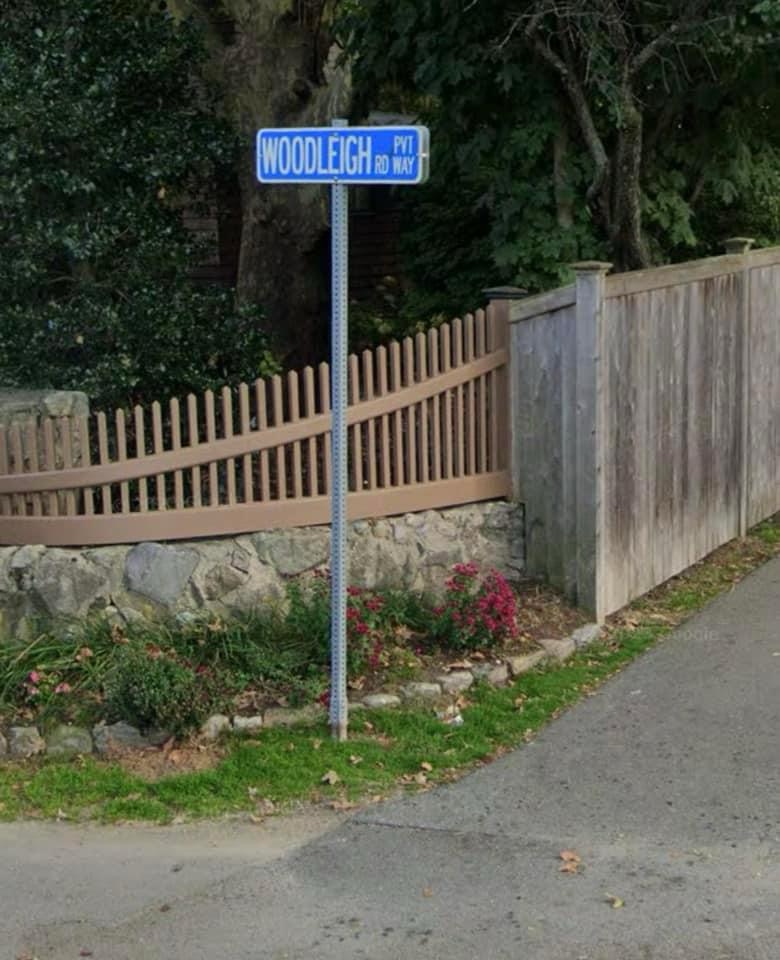
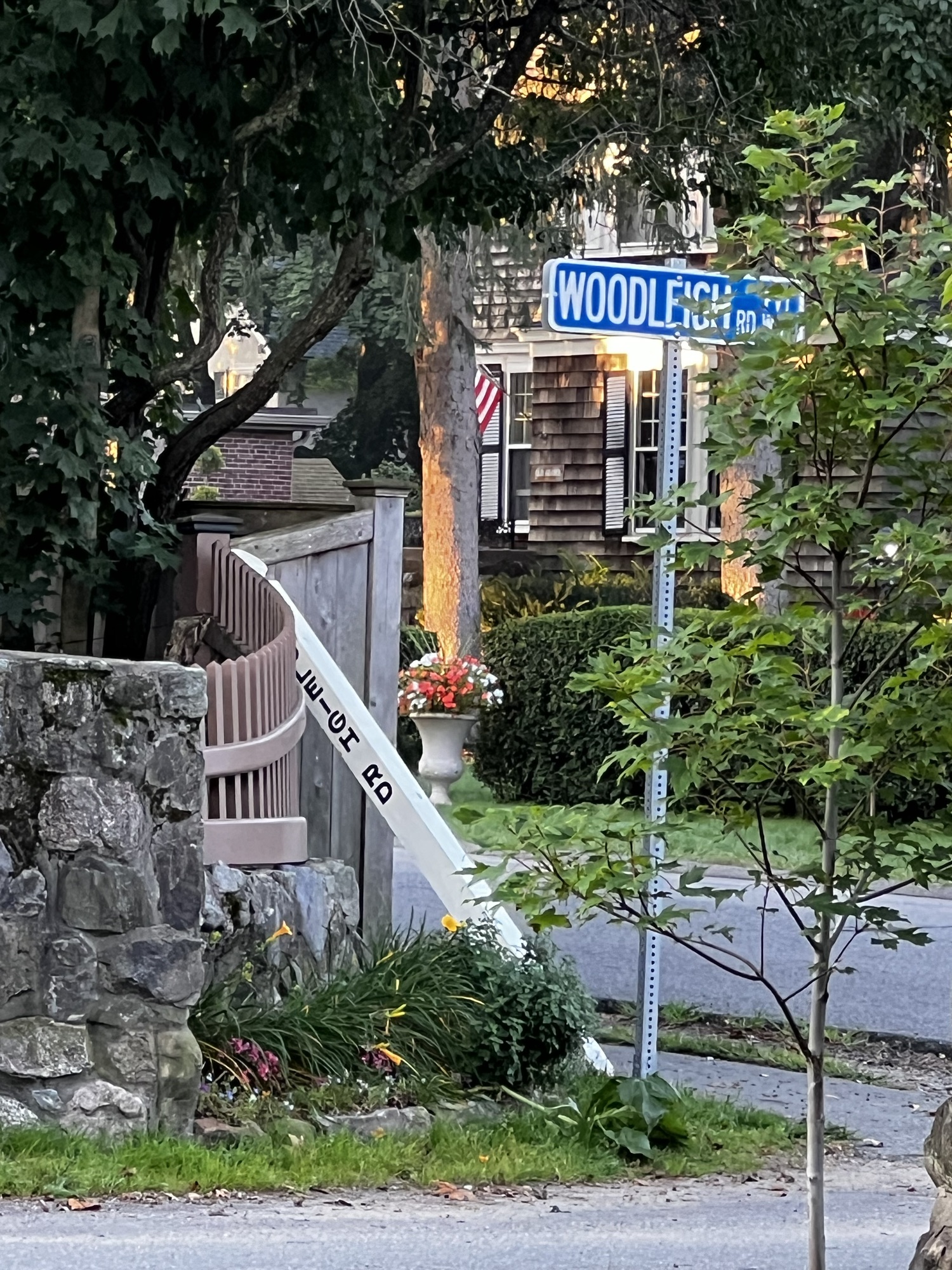
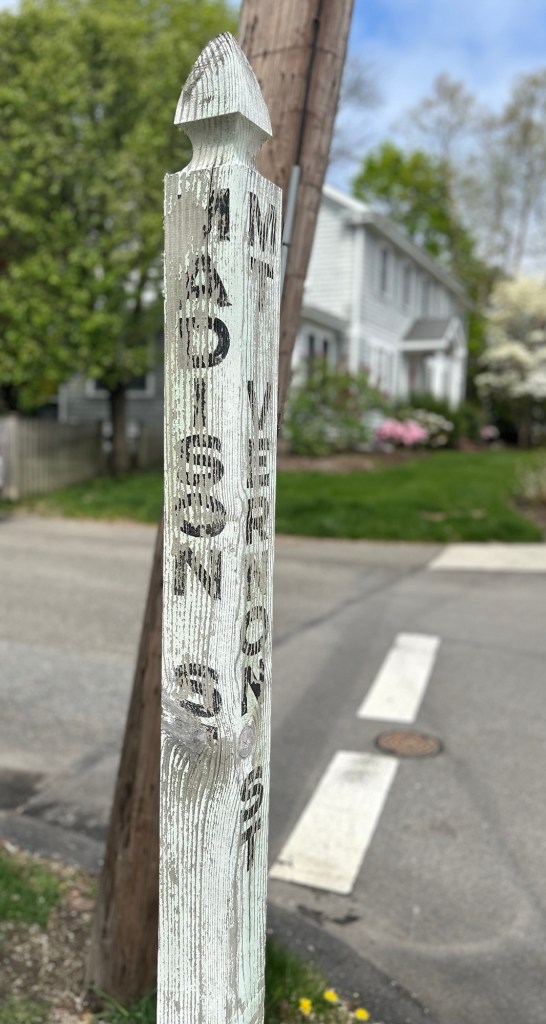
There has been quite a favorable response to my last post about the wooden street signposts that remain in Dedham. During my search for more of these, I discovered (with the help of Google maps street view) that one had disappeared from the corner of Mt. Vernon Street and Woodleigh Road some time after April, 2022.

April 2022
October 2023

Turns out, rather than an example of some nefarious act of vandalism or theft, the missing signpost is an inspiring story of civic pride. For years, this particular signpost has been maintained (including hand painting the faded street names) by nearby resident Paul Reynolds, Fablevision CEO, Blue Bunny mainstay, and long time supporter of Dedham cultural and charitable organizations. After noticing the tipped over post last fall, Paul discovered the bottom had rotted out and could not be fixed.

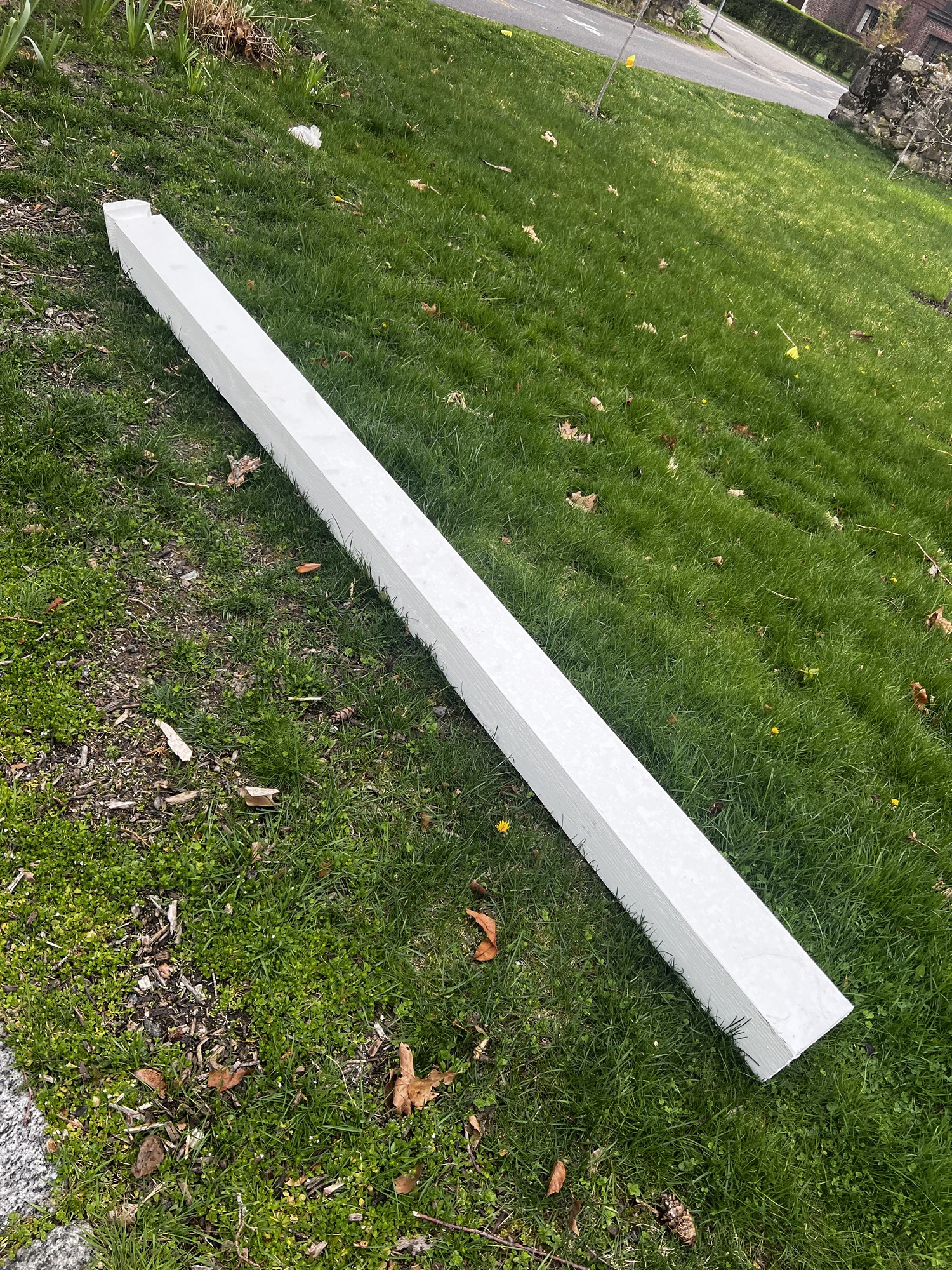
Not to worry! Through the generous cooperation of the town DPW, a new post has been crafted, delivered and awaits the addition of street names before being placed in its usual corner.

While these signposts are not very practical (hard to read, in need of constant maintenance) and were eventually replaced for those reasons, they clearly stir strong feelings of nostalgia and stand out as something uniquely Dedham. That’s why they should be preserved, and perhaps restored as Paul Reynolds has done, so they can be appreciated for years to come.

Signs of the past…

May 6, 2024

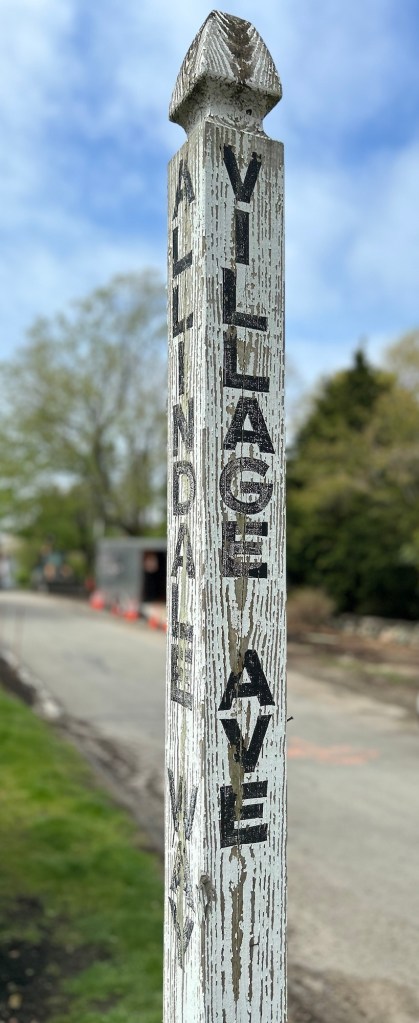
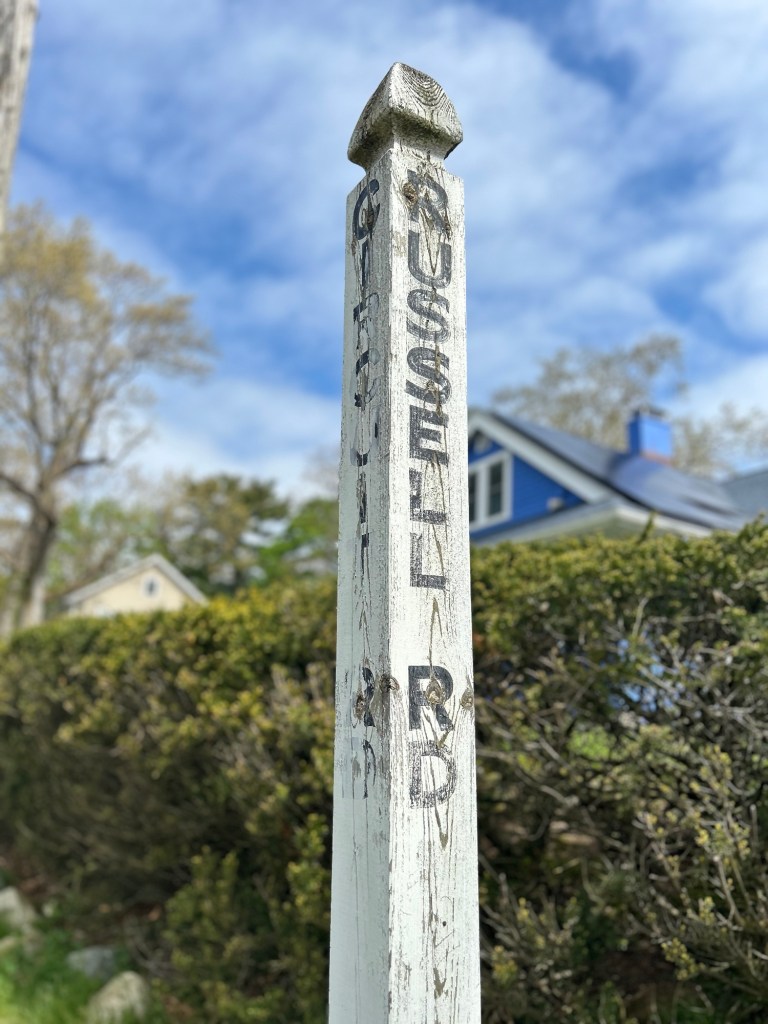
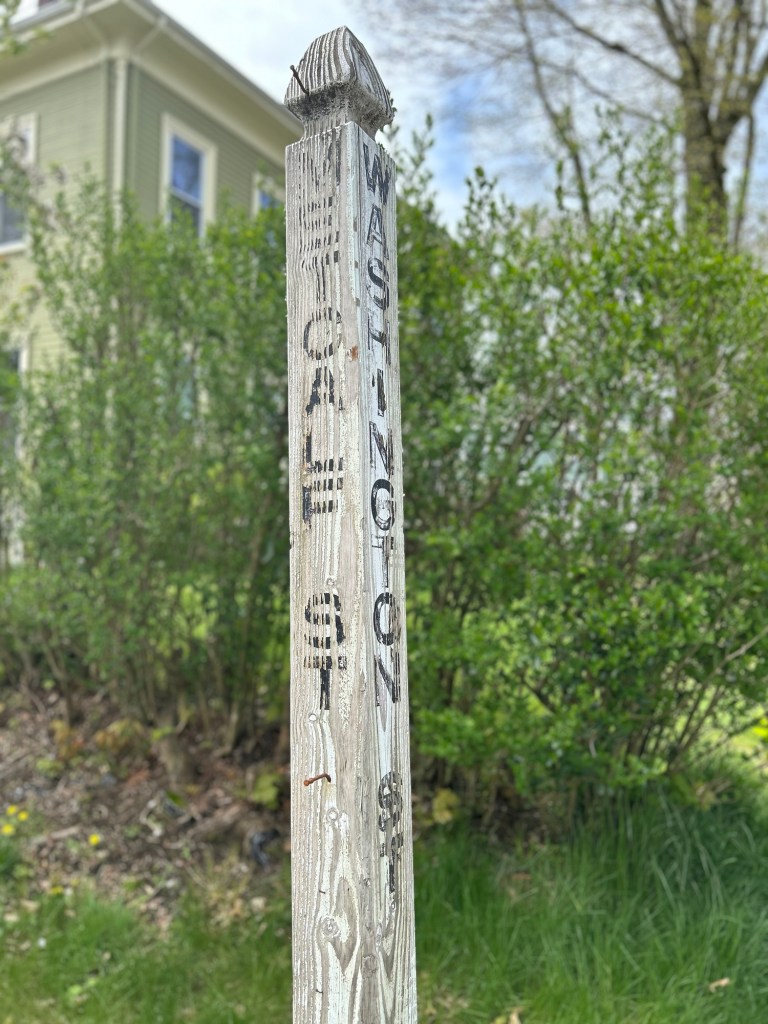
Who remembers when these wooden street signs were found all over Dedham? These have to be at least 50-60 years old; I remember one at Sycamore and Tower when I was a kid. These are just a few I found in a short drive around town- maybe you’ve seen more in other locations?

Dedham’s Stone Secrets Part 1/The Dedham Inn

May 2, 2024

One of my favorite things to do is to find remnants of the past around town and then research the history of that location. Old stone pillars and walls that seem at odds with nearby more modern dwellings are usually signs of a lost building and an interesting tale. This is the first in a series of posts about several Dedham sites with a hidden past.

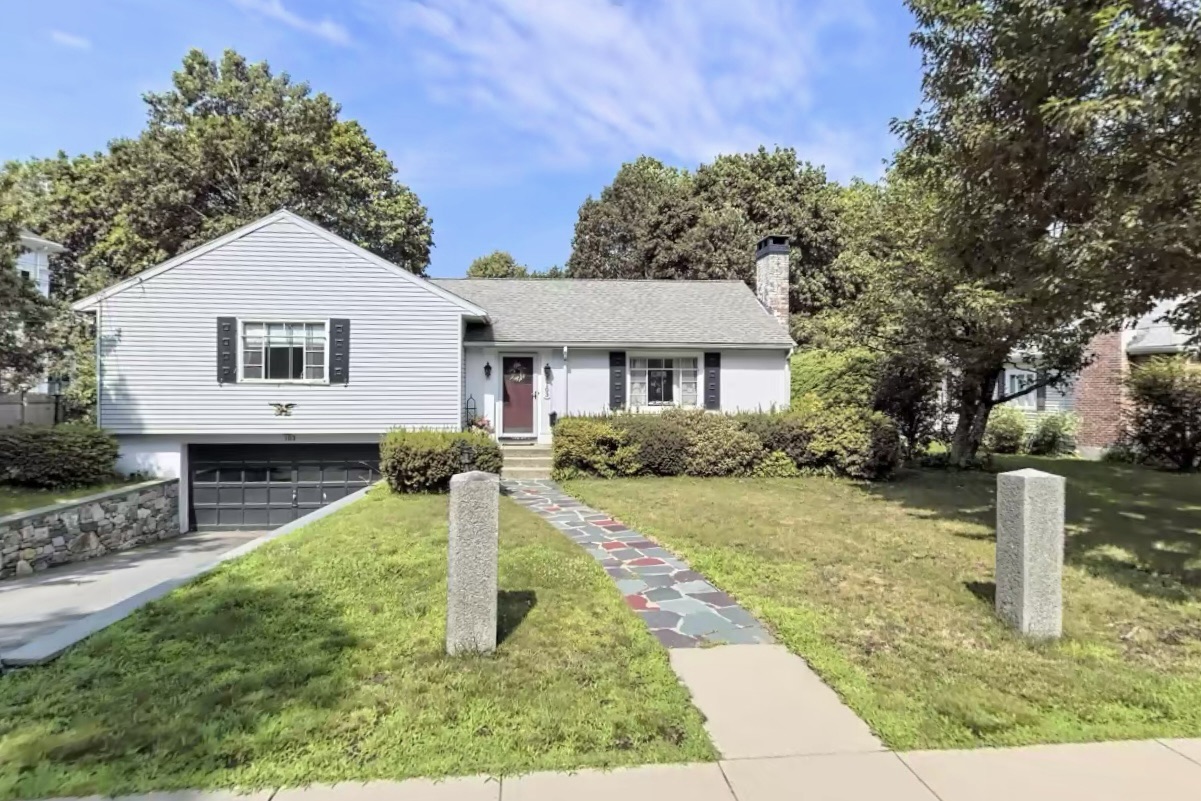
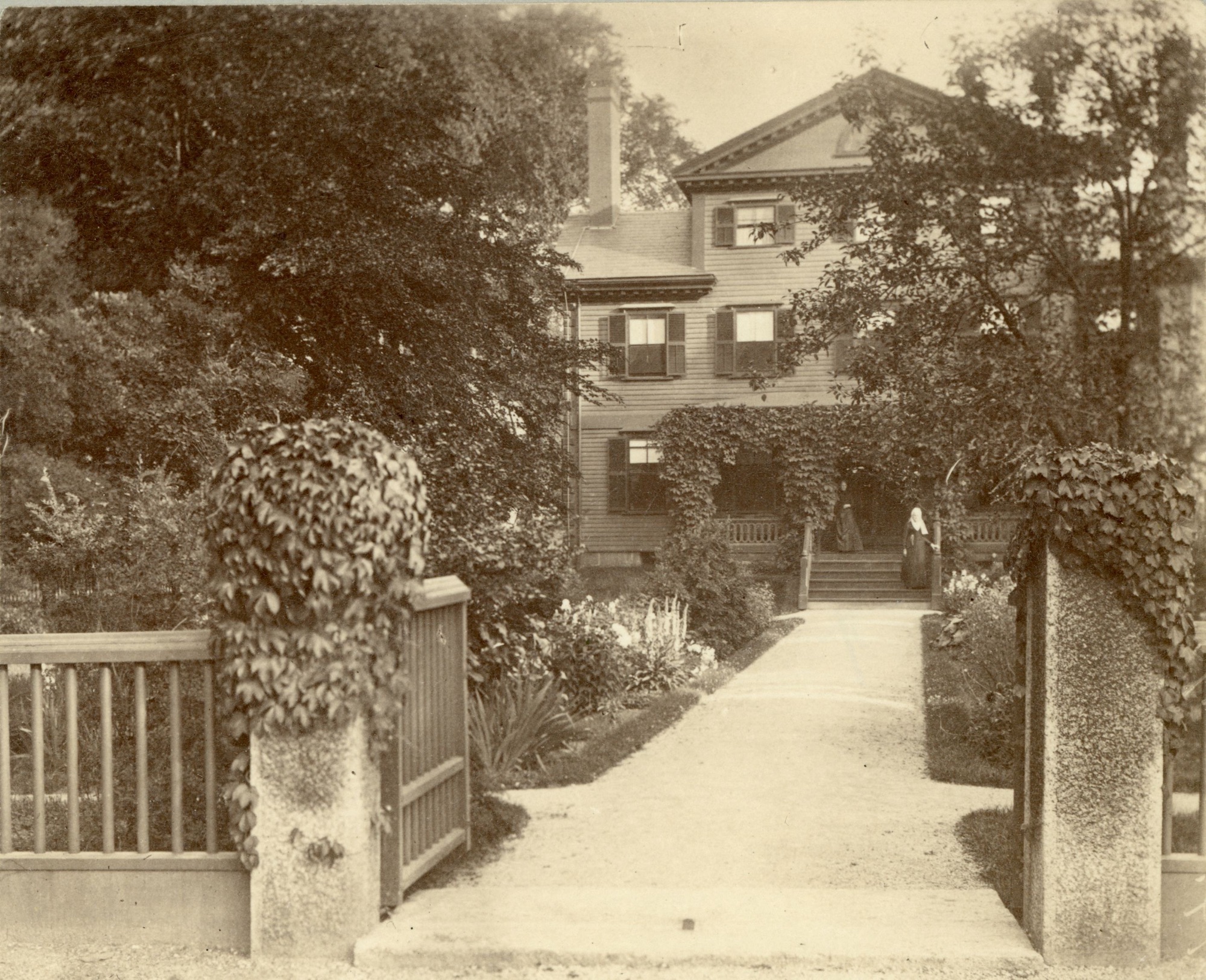
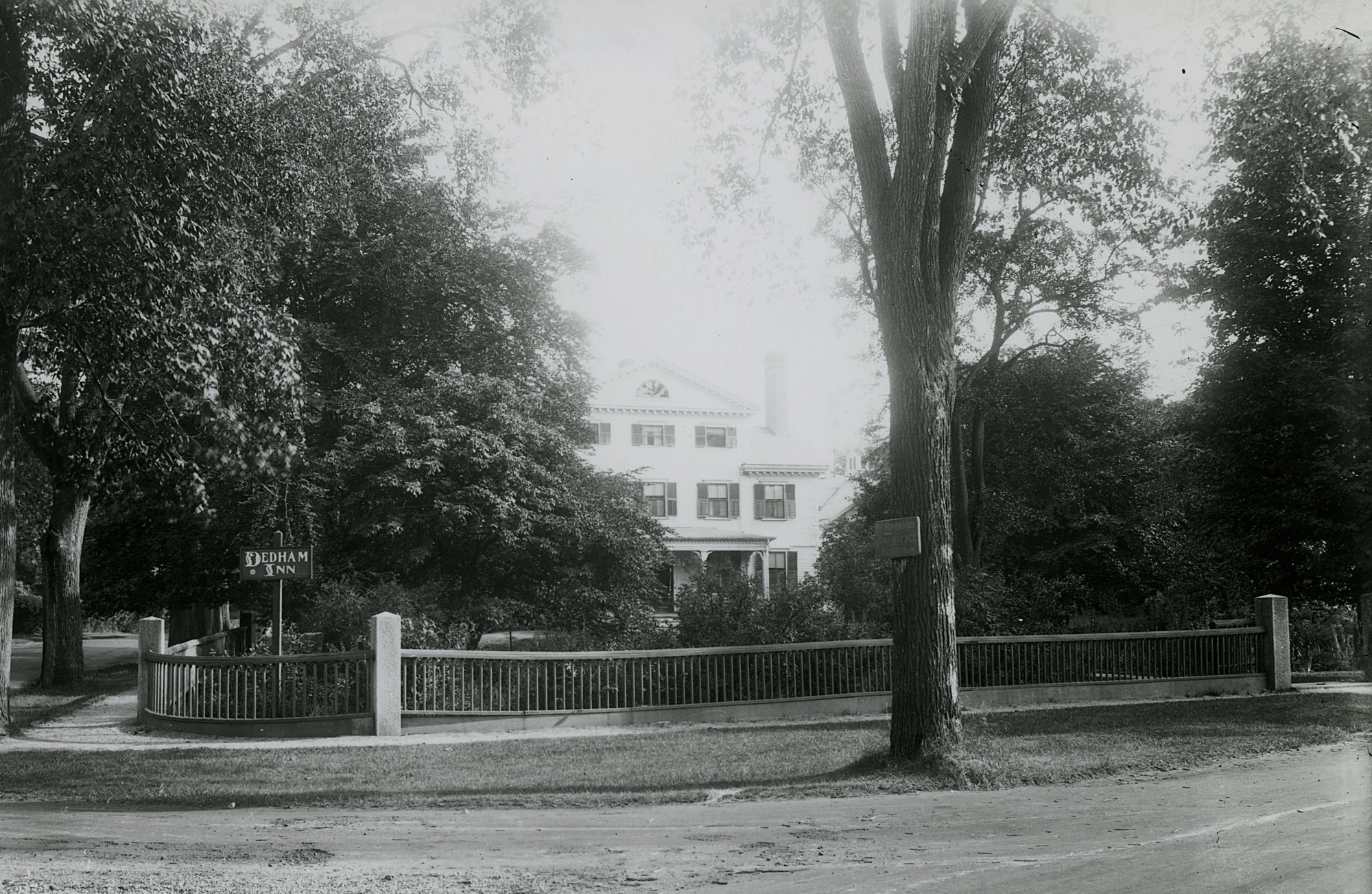
On the western side of Court Street near Highland Street stand three homes built in the early 1950s. The split-level/ranch design is typical of the time period, but the granite posts that stand on the lawns of these homes are from a much earlier period and indicate that something grand once stood here. Fortunately, the history of the previous structure is well documented and with some help from the staff at the Dedham Museum and Archive and a little sleuthing in the digital newspaper archives I am able to present the story of the Richards House, also known as the Dedham Inn.

Richards House in the late nineteenth century (Courtesy of Dedham Museum and Archive)

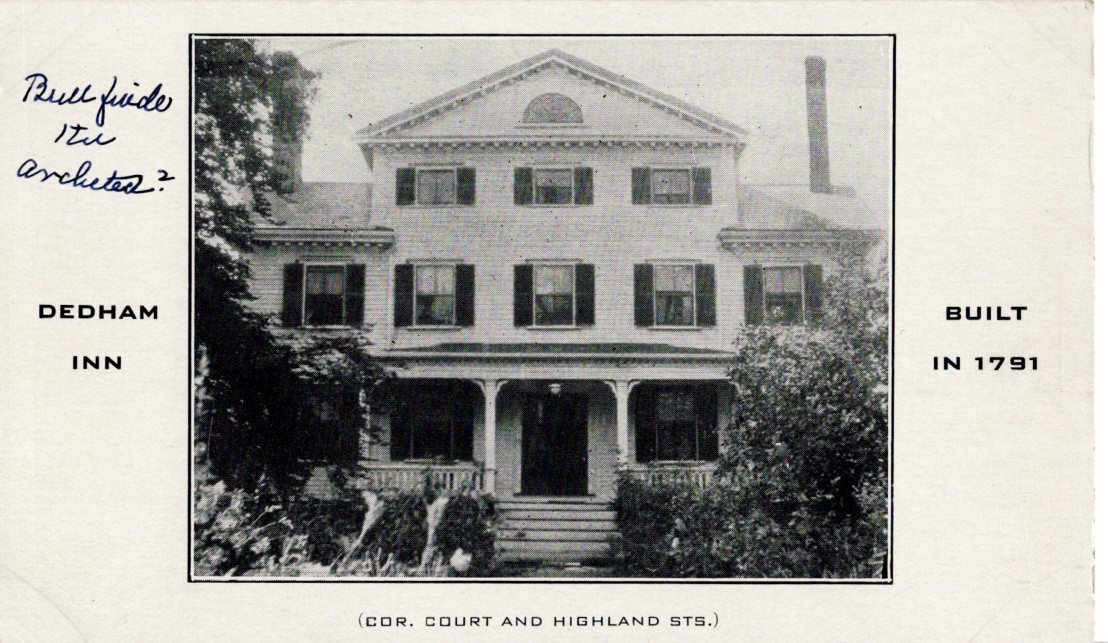
The house was built in 1791, and was purportedly designed by famed architect Charles Bullfinch, designer of the nearby Haven House (Dedham Community House), Massachusetts State House, as well as many other historic buildings. Ownership passed through several families before Boston hardware merchant Samuel Richards purchased the house and acreage in 1802. It would remain in the Richards family for over 100 years before being sold, enlarged and converted into an inn in 1915.

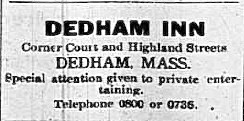
1923 ad for the Inn
Postcard from the Inn with handwritten question “Bullfinch architect?” The Bullfinch attribution was family lore and not actually documented elsewhere.

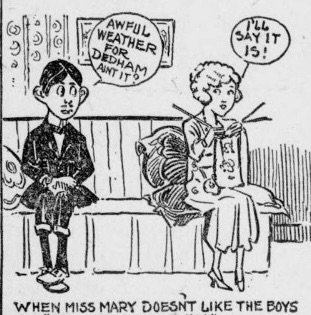
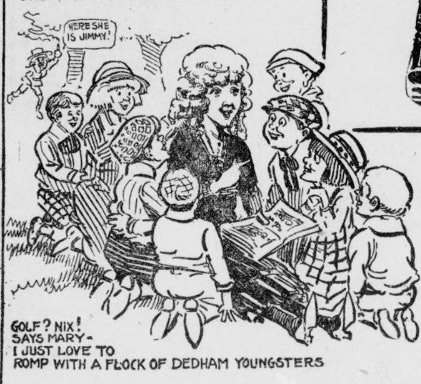
The newly established Dedham Inn quickly became a popular venue for social gatherings such as anniversary parties and wedding showers. An early guest was 17 year-old Hollywood starlet Mary Miles Minter and her mother/manager Charlotte Shelby who arrived in August 1919 to film a silent version of the book Anne of Green Gables. Earlier that summer, a scouting team from RealArt Pictures had chosen Dedham for location filming, with the landmark Fairbanks House serving as the farmhouse where orphan Anne Shirley lived with Matthew and Marilla Cuthbert. Also staying at the Inn was the film’s 49-year old director William Desmond Taylor. During their stay at the Inn, despite their age difference, Mary developed a serious (one-sided) crush on the dashing British director. Taylor would be murdered in his Hollywood bungalow in February 1922, and the ensuing investigation would reveal correspondence from the young actress that provoked a scandal that eventually ended Minter’s career and most likely caused copies of the film to be destroyed, making it one of thousands of missing silent films. The murder of Taylor remains unsolved to this day. The complete story of this 1919 filming is featured in my book Dedham: Historic and Heroic Tales from Shiretown.

Cartoons in the Boston Post published at the time of the filming of Anne of Green Gables

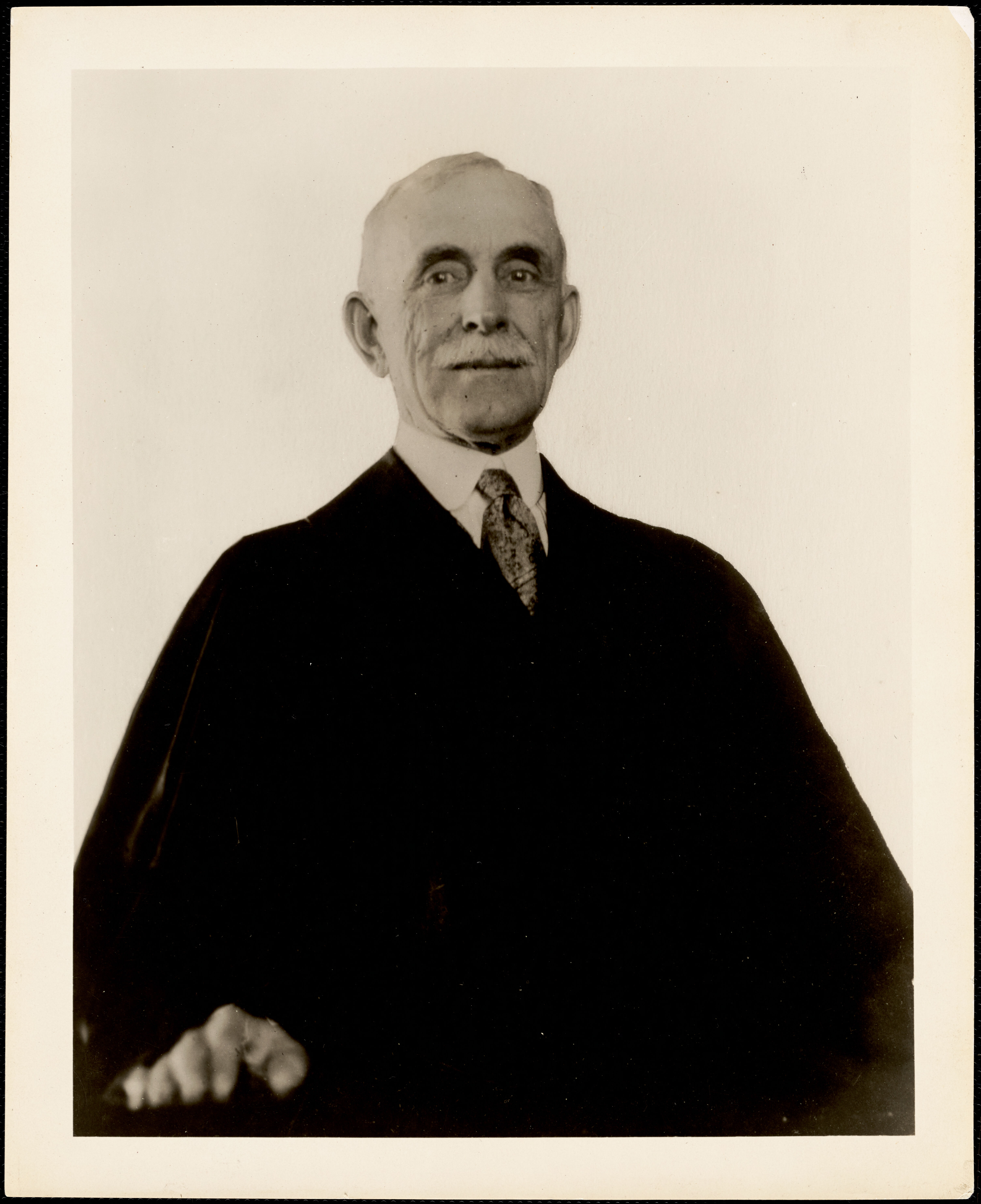
Its close proximity to the courthouse made the Inn a gathering place for anyone with court business including attorneys, jury members and judges. Throughout the famed 1921 murder trial of Nicola Sacco and Bartolomeo Vanzetti, jurors were housed overnight in the grand jury room of the Superior Courthouse and took their meals at the Dedham Inn. During the appeals process for the convicted men, it was reported that trial judge Webster Thayer had made numerous prejudicial statements outside of the courtroom throughout the trial; many of these statements were made to reporters during lunch breaks at the Inn. In a clemency request to Governor Alvan Fuller in May 1927, affidavits were filed by several reporters who had heard the judge’s remarks firsthand. Globe reporter Frank Sibley wrote that Judge Thayer would often discuss the case with reporters while gathered in the Inn’s private dining room, and several witnesses, including Sibley, recalled how on one walk back to the courthouse, the judge angrily denounced defense attorney Fred Moore by stating “I’ll show them that no long-haired anarchist from California can run this court!” All appeals on behalf of the accused failed and Sacco and Vanzetti were executed on August 23, 1927.

Judge Webster Thayer
The Inn in the 1920s (Courtesy Dedham Museum and Archive)

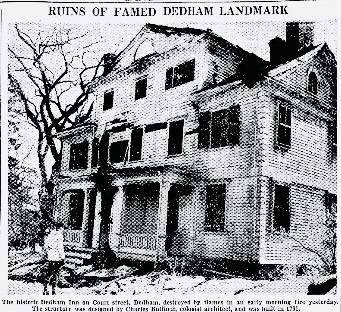
In the early morning hours of February 6, 1939, the Dedham Fire Department responded to a call from inn owner George Thorley. The entire department, under the direction of Chief Henry Harrigan, fought the flames for five hours, battling slippery conditions and icy equipment in a vain effort to save the landmark. While Thorley, his wife and daughters and three guests all managed to escape, Josephine the family’s cocker spaniel, was unable to get out. The beloved pet was credited with saving the occupants of the Inn by waking them with her barking before the fire got out of control. On the morning after the fire the walls of the historic inn still stood, but fire had gutted the interior and the building was razed. A faulty furnace was cited as the likely cause of the fire. The property was subdivided and the three single family homes that stand there now were built between 1950-1951. Today, four granite fence posts are all that remain of this once elegant and well-known property. Those posts, along with this post, remind us of the Dedham that used to be.

Boston Herald, February 6, 1939

Where in Dedham?- First Baptist Church/East Dedham

April 28, 2024

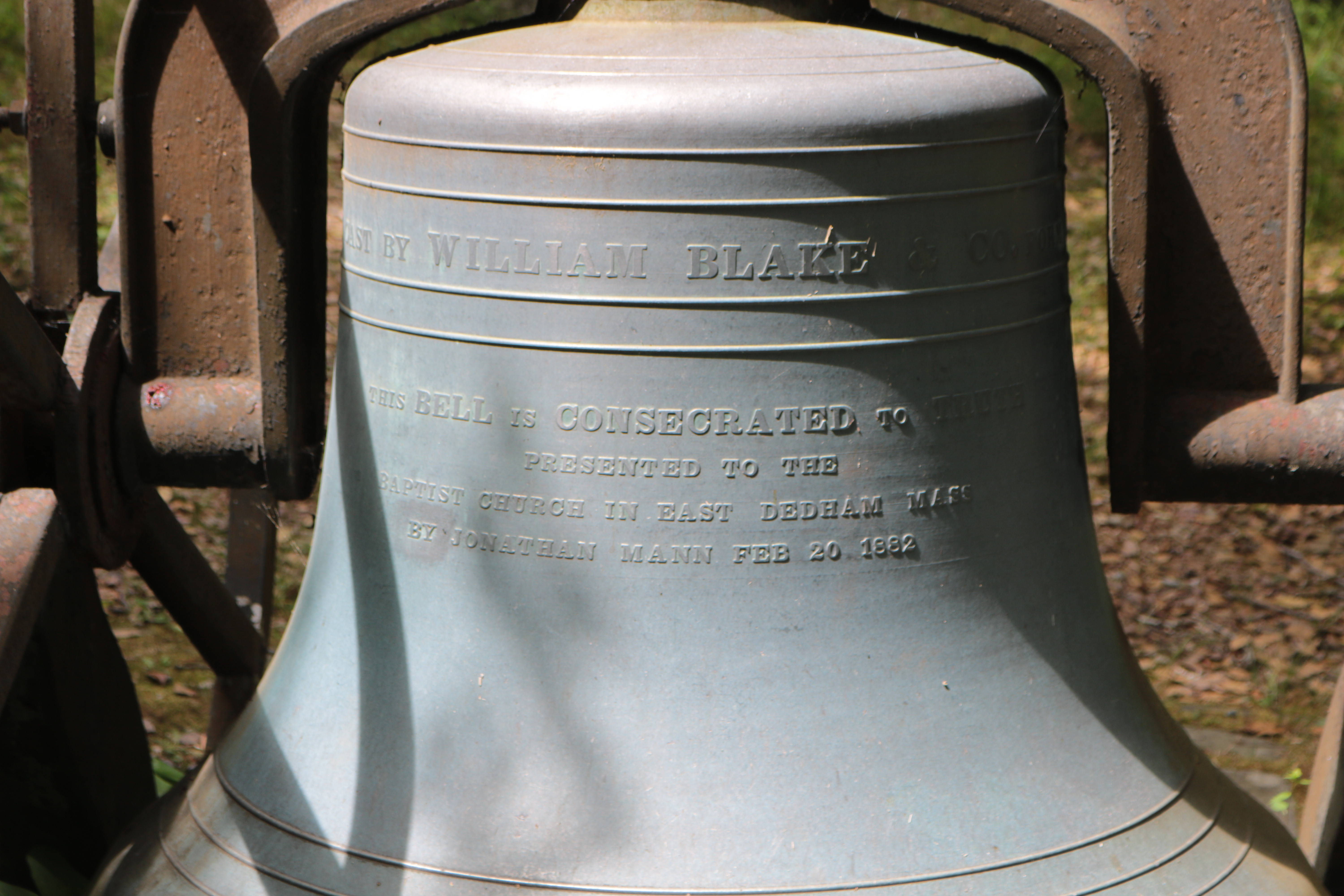
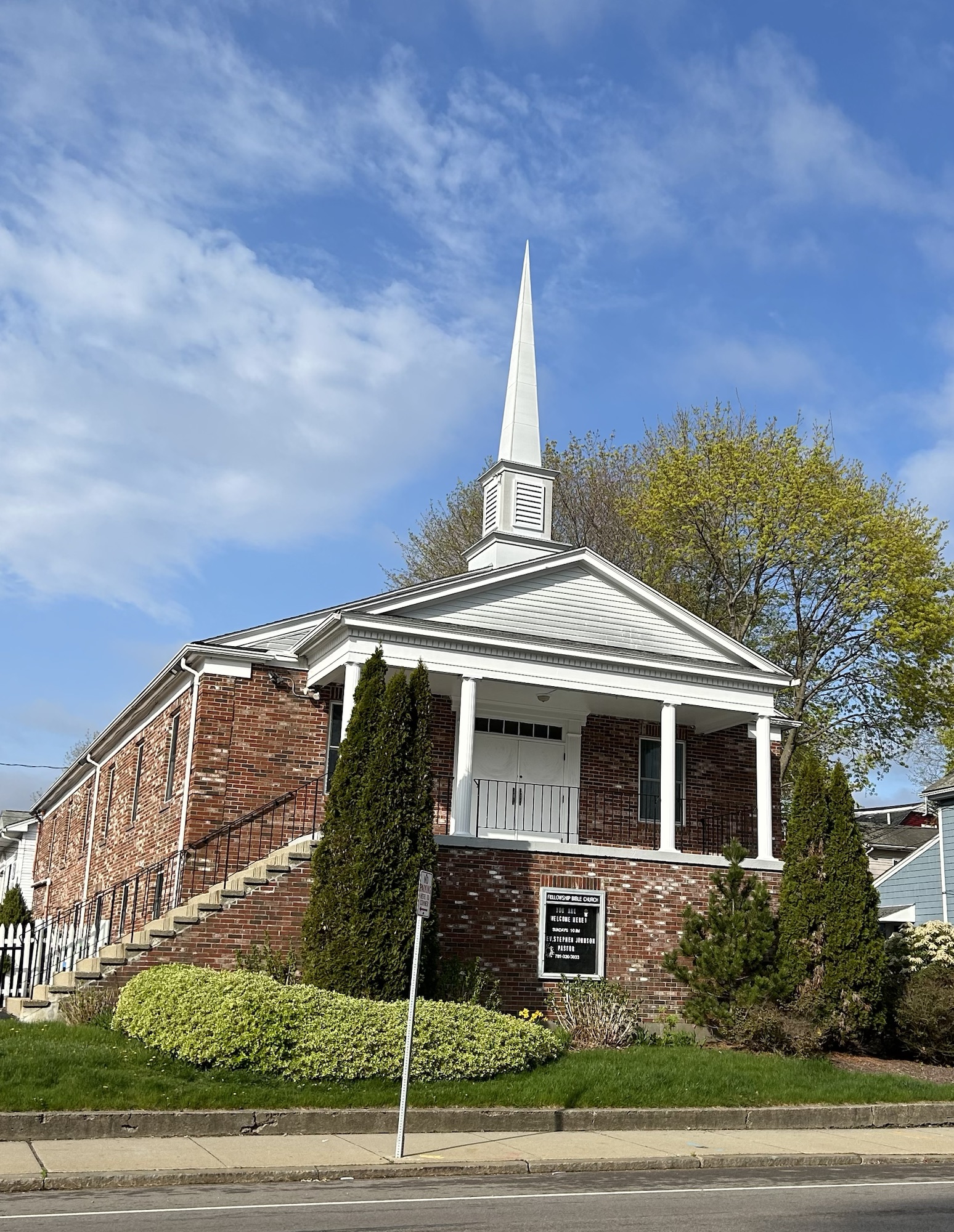
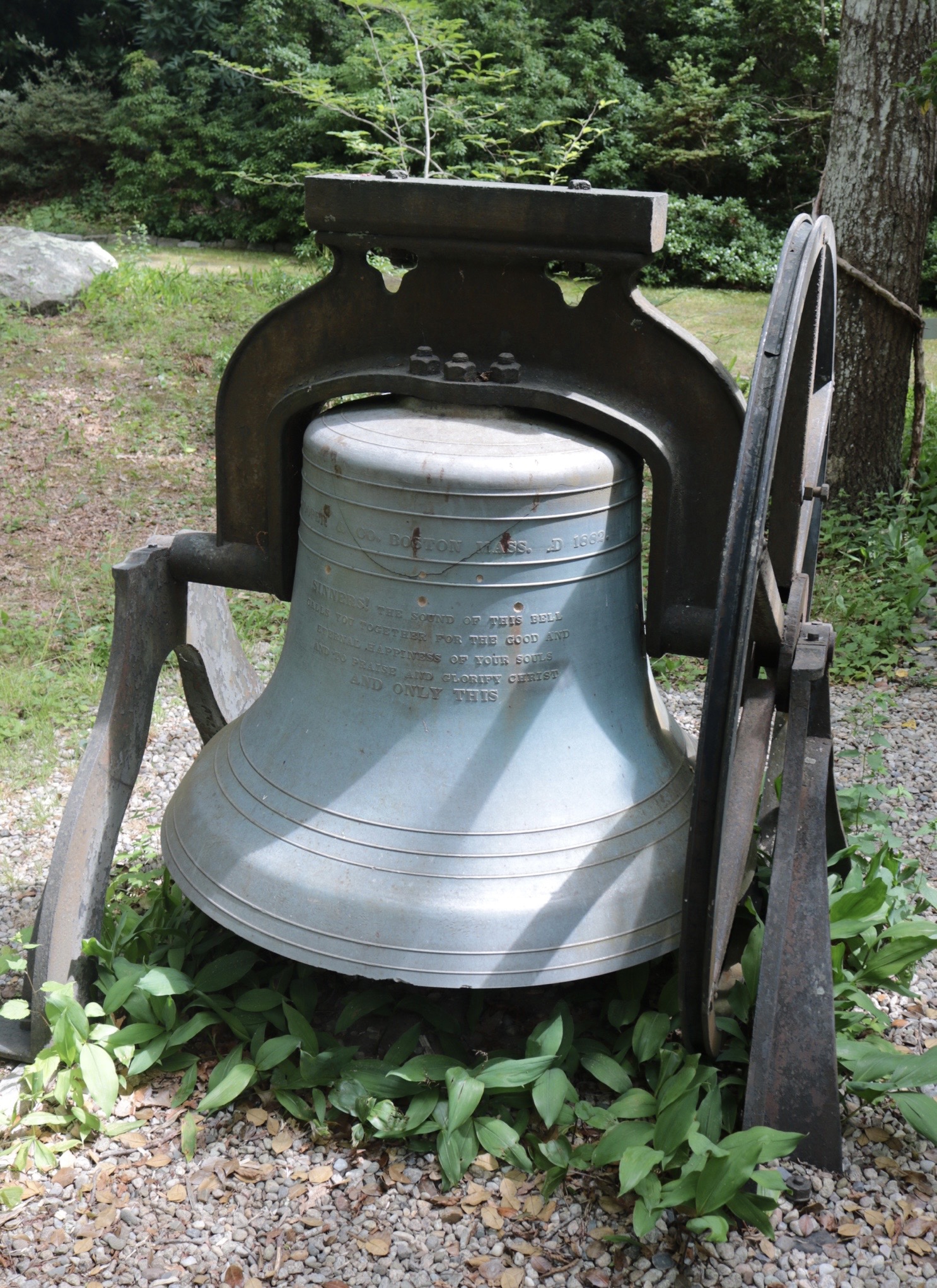
Ok. I confess, this was a trick question. The bell is not presently in Dedham, but it did hang in the belfry of the First Baptist Church on Milton Street for over 90 years. Congrats to Robert Morrissey for figuring out the location of the bell. If you want to see the bell in person, you’ll have to take a road trip to Falmouth, where it has resided for over 50 years. The journey of this historic bell from East Dedham to a private garden almost 60 miles away is an interesting and somewhat delicate subject.

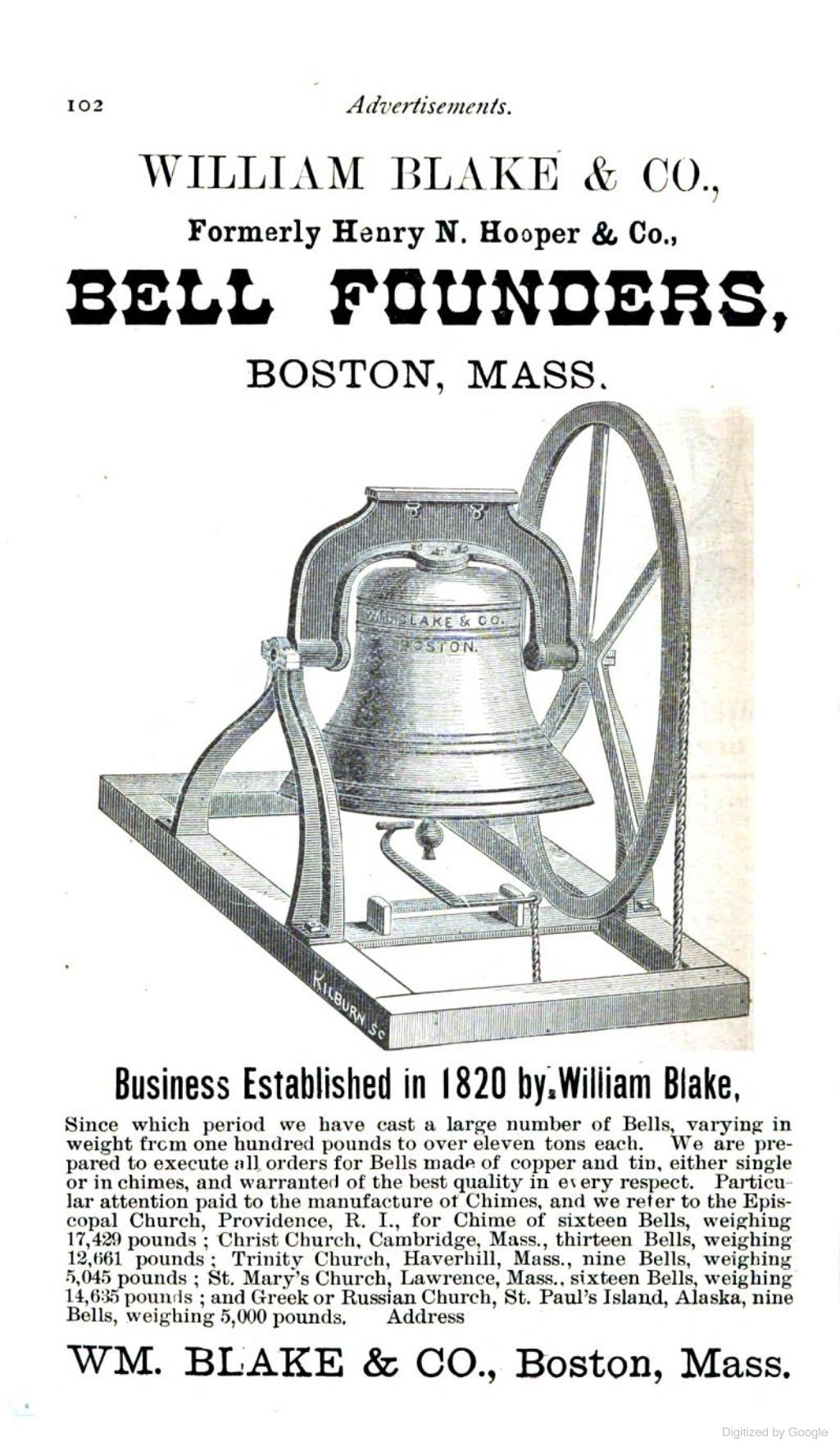
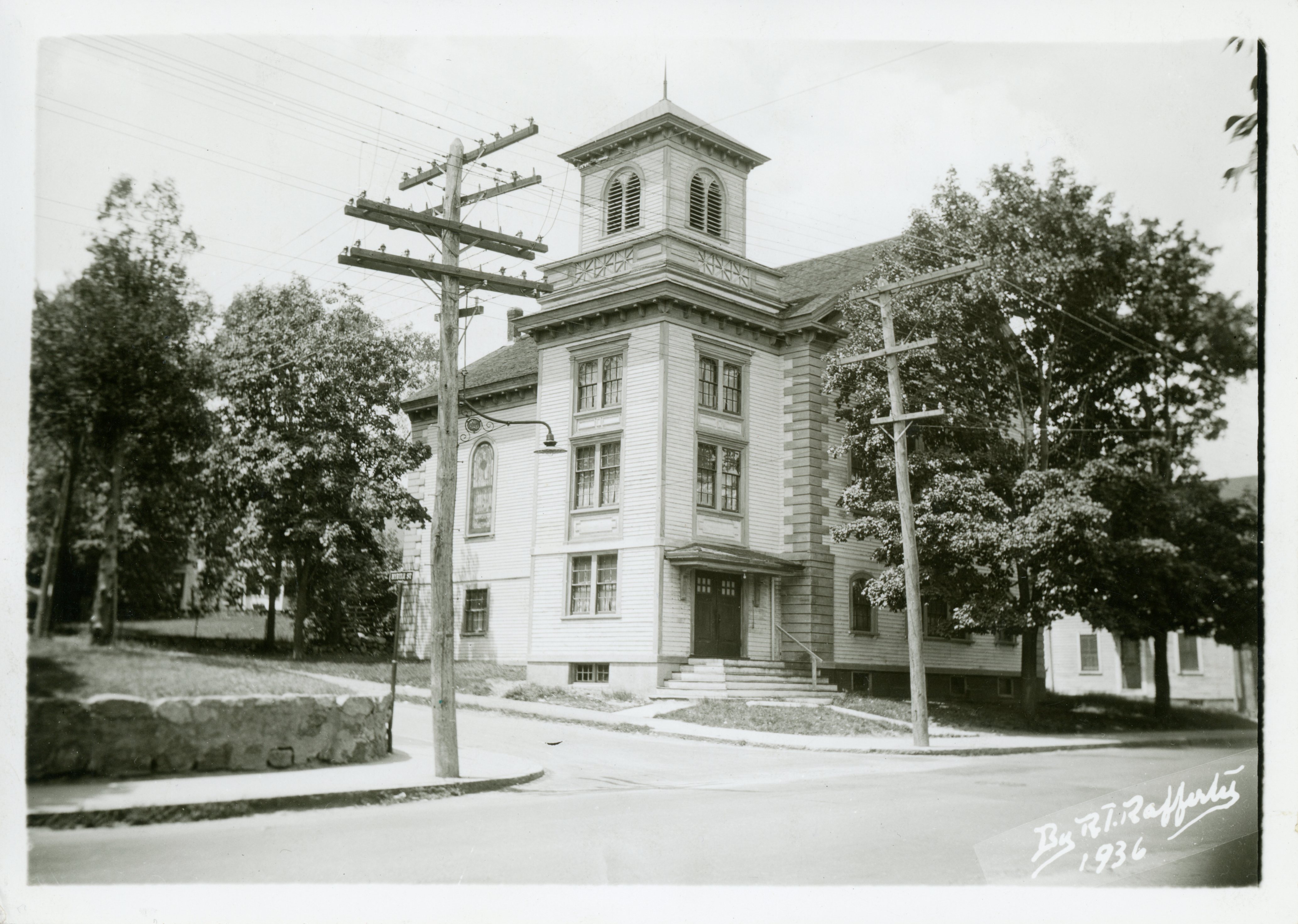
The East Dedham Baptist Church was officially established in 1843, and in 1852 a new wooden church was built at the corner of Myrtle and Milton Streets. Through the generosity of Jonathan Mann of Canton, a 2000 lb. bell was cast in Boston by the William Blake Company and presented to the congregation on February 20, 1882. The church underwent renovations in 1910 and a belfry was built to house the bell, which would hang there for the next 62 years. In 1919 the church was renamed the First Baptist Church.

The First Baptist Church in 1936/courtesy of the Dedham Museum and Archive

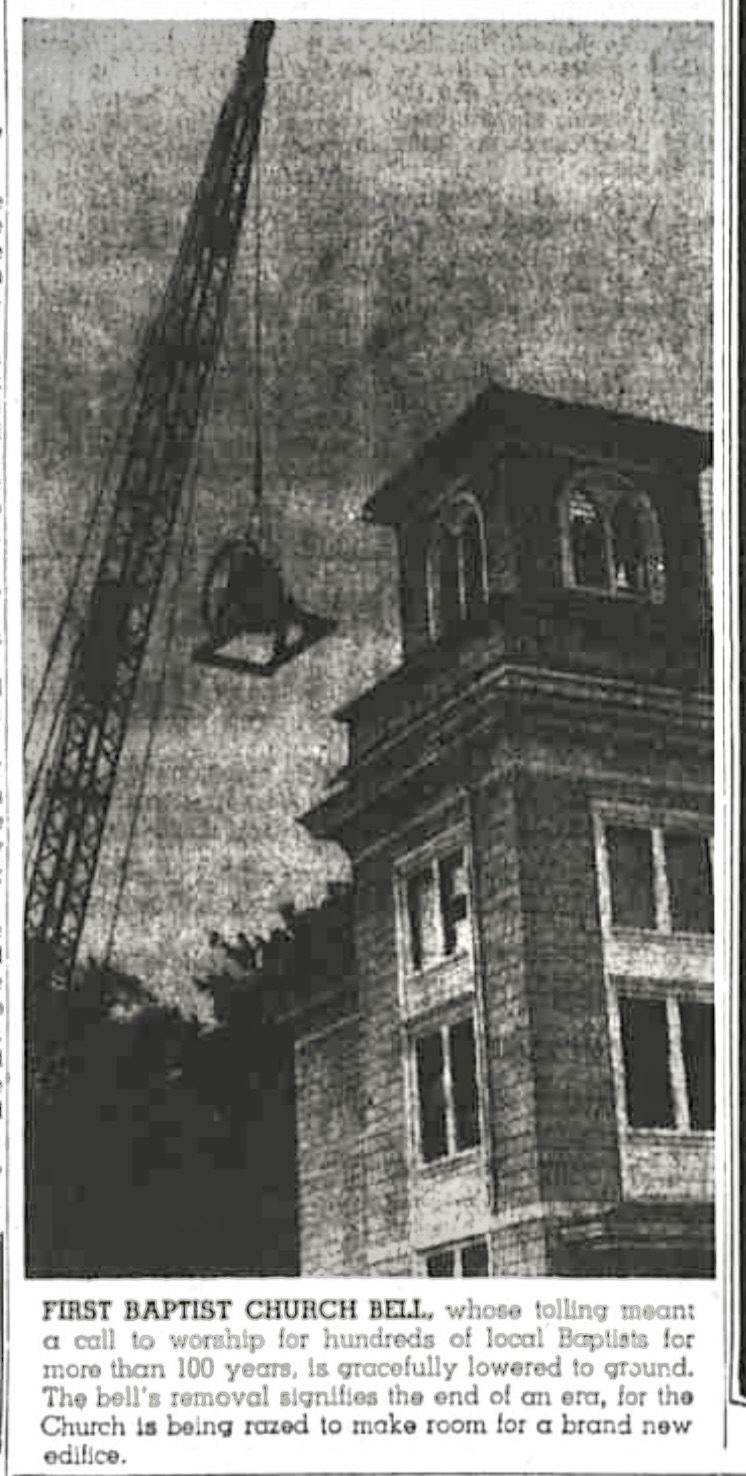
By 1972, time had taken its toll on the wooden structure, and church leaders determined that the building would have to be torn down completely and replaced. The demolition took place in August, coincidentally the same summer that the famed Avery Oak came down in a storm. Demolition was done by the John J. Duane Wrecking Company of Quincy.

Dedham Transcript August/1972

Here’s where the bell makes its mysterious departure from old Shiretown. According to church sources, the congregation, being in tough financial straits, offered the bell to the demolition company as partial payment. Meanwhile, husband and wife Charlie and Margaret Spohr were living on six beautiful acres in Quissett, a village in Falmouth. For decades the Spohrs had been transforming their property alongside Oyster Pond into a series of unique and lush gardens; Margaret tending to the plantings, Charlie taking care of the “decorations.” which included millstones, chains, anchors, (75 of them!), lanterns and…bells. When the Duane Company offered to sell the bell to Charlie, he enthusiastically accepted and made it a prized feature of his collection.

Fellowship Bible Church 2024

Back in Dedham, a new church was built and dedicated on September 30, 1973, and stands there to this day. In 1994 the congregation voted to change its name to the Fellowship Bible Church, and a diverse community of believers continues to carry out the mission of the church.

Upon the death of Margaret Spohr in 2001 (Charlie passed away in 1997), the property was left to the Charles and Margaret Spohr Charitable Trust which maintains the gardens and welcomes visitors free of charge all year. In 2005, church pastor Dr. Omar Adams wrote to the trust requesting that the bell be returned, or offered for sale. In the letter, Adams expressed the desire to celebrate the church’s 160 year history in Dedham, and hoped it could be returned in time for the dedication of an addition to the 1973 building. That did not happen, and the bell can still be found on the grounds of the Spohr Gardens.

While the current church administration holds no ill feelings to Spohr Gardens, they do feel a connection to the bell and would welcome an opportunity to display it on church grounds. In the meantime the bell can be seen in its beautiful garden setting in Falmouth. Here is a link to their website where you can plan your trip and find out more information about this unique Cape Cod destination.

https://spohrgardens.org/

Where in Dedham?

April 25, 2024

This is a little tricky, I’ll be really impressed if anyone knows where this bell is located. I stumbled upon it quite by accident. If you think you know the location of this piece of Dedham history, please respond in the comments section of the blog, below.

Wilson Mountain Part One

March 30, 2024

Anyone who has spent any time walking the paths of Wilson Mountain off Route 135 will recognize this forlorn chimney standing on a small hill a short distance from the parking area. Some of you (myself included) will remember a time when a log cabin stood on the site, and you may have even had some nighttime adventures here. I’ve been researching this part of Dedham recently, and have discovered some amazing facts, the first of which I’ll share in the form of this short item from the Dedham Transcript of December 27, 1924.

Some of the logs still remain on the ground
You can see the impressions of the logs that once made up the walls of the cabin

MORE TO COME!

Dogs for Defense

March 15, 2024

Dogs for Defense

Shortly after the start of World War II, Harry I. Caesar, a New York businessman and president of the American Kennel Club came up with a unique plan to help the US war effort. Noting that dogs, with their superior senses of hearing, vision and scent, had long been in use by both enemy and ally armies, Caesar outlined a program that would call for the recruitment, training and deployment of at least 125,000 of the nation’s pet dogs for civilian defense and military guard duty. By the spring of 1942, the Dogs for Defense program was well under way, with regional centers (including one in Dedham) set up for the intake and training of “volunteers.” Those Fidos and Rovers who passed their initial training (many were sent back home for being too friendly) were assigned guard duty at military installations across the country; some were even sent overseas to serve in combat zones.

Boston Globe/July 20. 1942

A kennel was established in Newton as the New England intake center, and a training school was conducted in Dedham on the old Karlstein polo grounds (near the present Rashi School) on the banks of the Charles River. The first class of thirty-five pooches graduated in July after eight weeks of training and was sent off to undisclosed assignments following emotional farewells with their owners.

   It is inconceivable that families today would willingly put the family pet in harm’s way for periods of up to two years or more with the possibility that their beloved doggo might not return at all. But in 1942, the response was overwhelming, with families and even children sending letters and photos to the program’s directors vouching for their dog’s ability. Initially, volunteers were required to be well behaved purebreds between one and five years old, weighing at least fifty pounds and standing eighteen inches high. As the need increased, mixed breeds were accepted (although chows were found to be unreliable and rejected).

from the Dedham Transcript

Dedham boasted at least 2 dogs who served: Teddy, a Belgian shepherd owned by the John Allgaier family and Bessie, owned by the Ford and Josephine Friend family. Bessie was assigned to a coast guard station, and coincidentally, Ford was eventually able to serve in the Coast Guard Reserve as a machinist’s mate. Bessie was returned to the Fords after the war’s end, displaying one behavior quirk from her time in the service: every Fourth of July when the local fireworks displays began booming and banging, Bessie would hit the ground and run for cover under the nearest table, as she had been trained. After a long, happy life with her family in Dedham, Bessie passed on and was buried in the backyard wrapped in her favorite blanket.

Globe/ November 8, 1943

   Six-year-old English setter Mose of Milton was returned by the army due to his friendly nature. Fourth-grader Lloyd Beckett Jr. happily greeted the dog after removing the blue star service flag that had hung in the window during Mose’s absence.

You can read about more hero dogs and view Bessie’s honorable discharge in my new book World War II Massachusetts, available online, in bookstores or directly from me.